



Reducing unplanned downtime by 20% with Predictive Maintenance
Our client, a global leader in plastics, chemicals manufacturing, and petroleum refining, needed to improve how industrial data was collected, processed, and analyzed to strengthen equipment reliability and maintenance planning across its manufacturing facilities.
STX Next's involvement expanded from web application development into industrial data engineering and predictive maintenance, including Remaining Useful Life modelling and digital twin development.


A Global Manufacturer With Reliability-Critical Operations
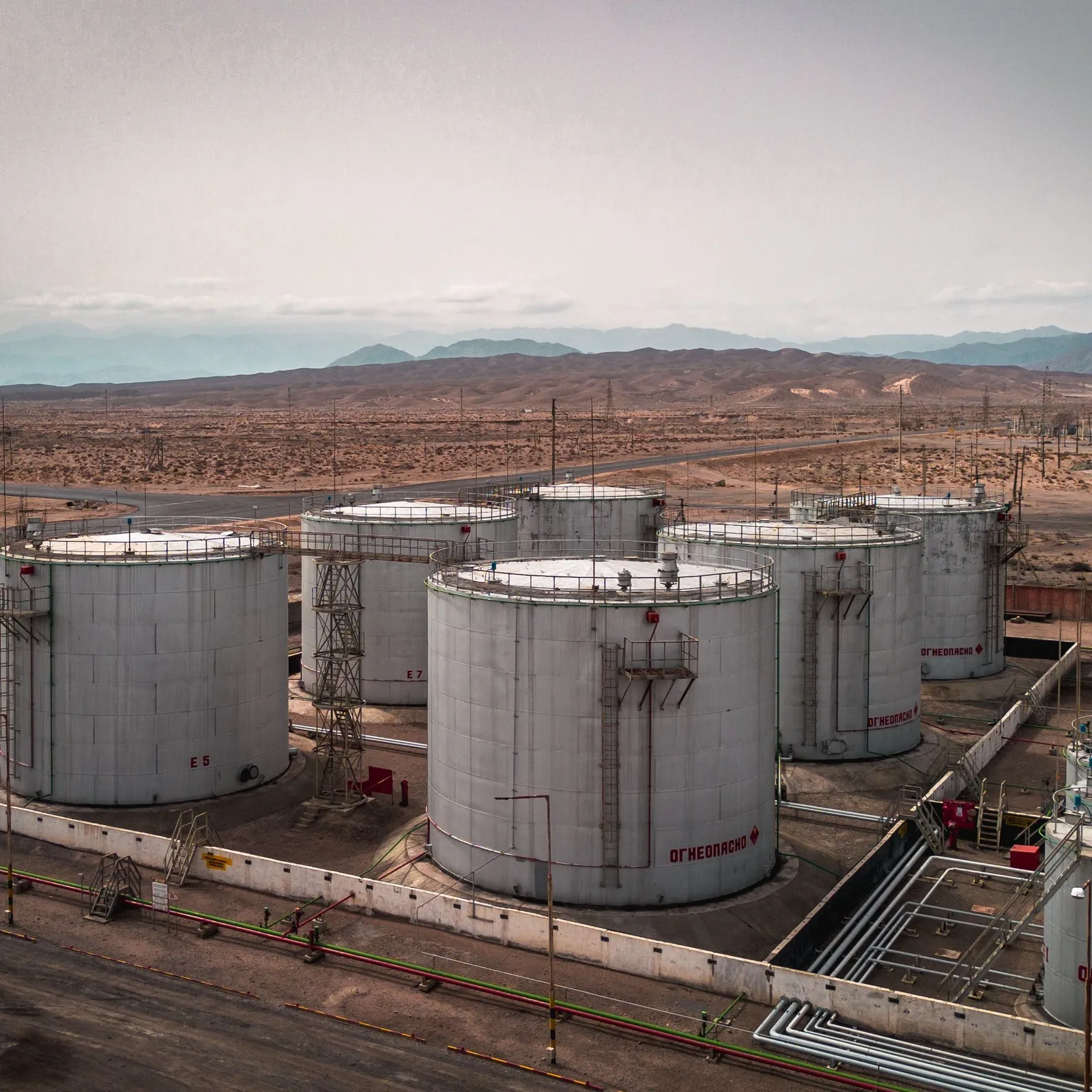
The client operates manufacturing facilities where reliability engineers and operators work with large volumes of equipment and sensor data to understand asset condition and investigate changes in performance.
This includes measurements such as temperature, pressure, and flow, which help engineers assess equipment behavior under different operating conditions. Access to this information across facilities is essential for identifying potential failures, monitoring equipment health, and planning maintenance.
Turning Equipment Data Into Earlier Maintenance Decisions
The client already used Machine Learning models and dashboards to monitor equipment performance, but the existing data transformation approach struggled with growing telemetry volumes and changing processing requirements.
The challenge was not simply displaying sensor readings. Data from multiple manufacturing facilities had to be collected, aggregated, and transformed into consistent inputs for operational analysis and predictive models. The existing setup lacked the performance and flexibility required, prompting a move toward custom data processing and a new web-based monitoring interface.
The work extended across a wide range of operations, including production efficiency, machine reliability forecasting, maintenance planning, and managing potential disruptions to production and supply chains.
The wider program needed to:
Give reliability engineers and operators clearer access to asset-health information
Process and aggregate high-volume telemetry from multiple manufacturing sites
Combine sensor measurements with operational context and prepare data for Machine Learning
Develop and validate predictive-maintenance models, including Remaining Useful Life prediction
Support earlier anomaly detection and alerts for potential equipment failures
Modernize applications and data flows as the client’s environment evolved
Building Custom Solutions for Industrial Data and Predictive Maintenance
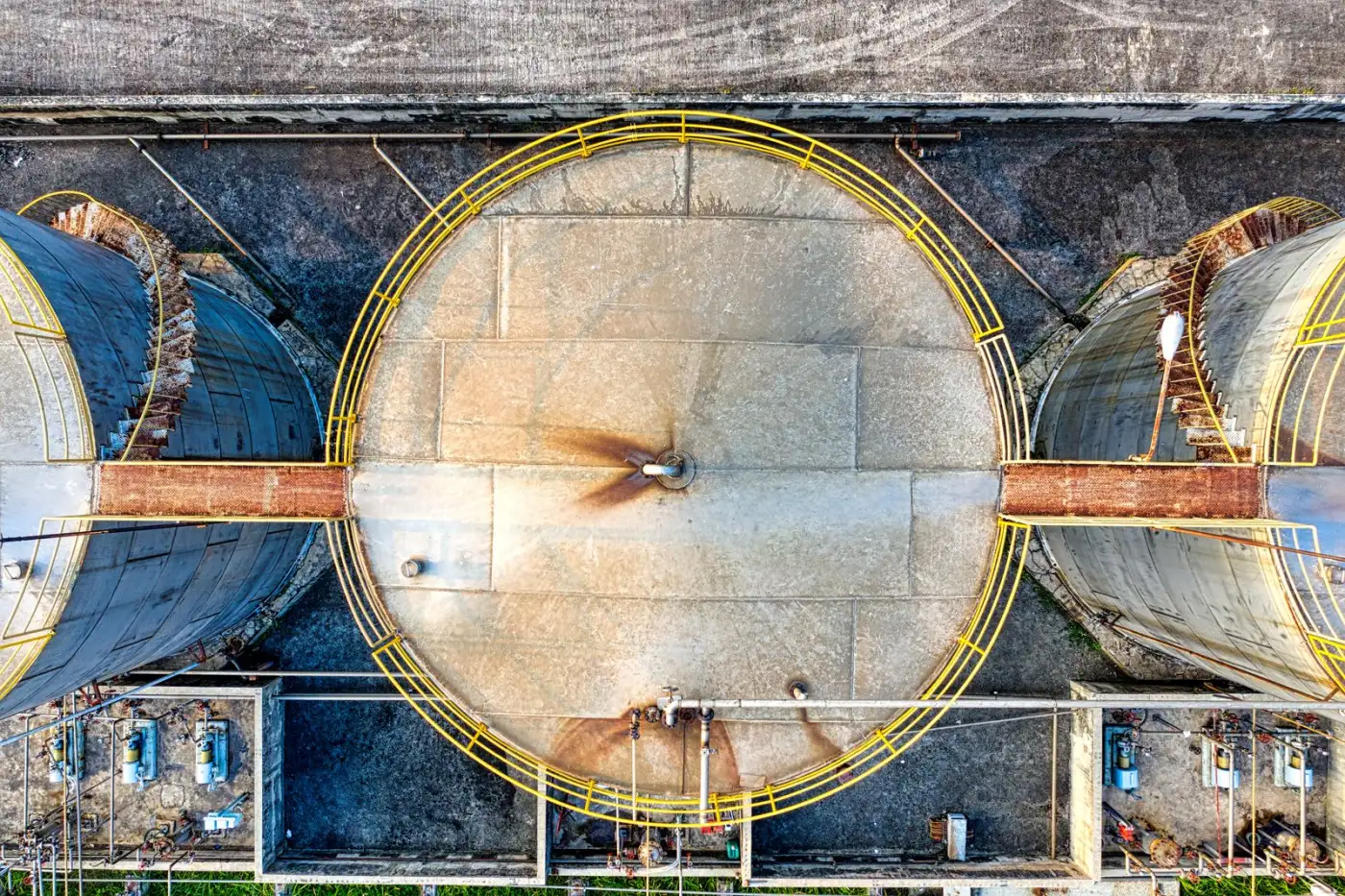
STX Next addressed the client's challenges by delivering a range of services, including frontend and backend engineering, data engineering, and predictive analytics.
The cooperation covered several connected initiatives.

Starting With Frontend Development
The cooperation initially focused on Product Design and frontend engineering for an industrial equipment-monitoring application. STX Next worked on the application's web-based experience as part of the client's broader move toward custom software.
The scope also included API performance optimization through caching and the gradual deprecation of a legacy application.
As the cooperation progressed, STX Next took on backend engineering and data processing responsibilities, extending its work from the monitoring interface to the systems responsible for collecting and preparing industrial data.

Expanding Into Backend and Data
The team later moved from presenting existing information to collecting, integrating, and processing industrial data from multiple manufacturing sites. Our experts’ understanding of the workflows and the petrochemicals manufacturing, as well as downstream oil and gas business meant that they were able to take on more responsibilities up the value chain over time.
The scope included:
- Building data ingestion pipelines for high-volume factory telemetry
- Implementing data aggregation and transformation to support operational analysis
- Developing Python-based microservices for targeted data access and custom analytics
- Integrating processed data with visualization tools to make operational metrics accessible
- Consolidating real-time industrial data to support earlier anomaly detection
Our engineers developed custom data pipelines and Python microservices to process industrial telemetry, including temperature, pressure, and flow measurements. The new approach reduced reliance on third-party ETL tools and was designed to accommodate changes in data sources and processing requirements.
Advancing data with Predictive Maintenance
The wider solution brought together equipment monitoring, predictive analytics, and operational planning, with capabilities to:
Visualize parameters:
Giving on-site reliability and maintenance teams access to asset histories, relationships, and predictions they could understand and trust, rather than black-box model outputs.
Consolidate data:
Centralizing real-time data from IoT Hub through EventHub into the system, enabling early anomaly detection for engineers.
Allow customization:
Improving clarity and decision-making processes across many areas.
Provide real-time alerts:
Enabling proactive maintenance and early detection of potential breakdowns that could disrupt production.
Schedule bookings for large scale industrial equipment:
Managing the usage, maintenance, and cleaning sessions of the equipment.
Handle demand planning and forecasting:
Managing mass energy usage and carbon emissions.
Reduce costs:
Through gradual digitization and implementation of process automation over a multi-year plan.
ML Engineering and Industrial Data Processing
Supporting the solution's predictive capabilities required additional work on data preparation, Machine Learning models, and prediction systems.
We delivered:


The team combined historical measurements with process context and maintenance records to distinguish normal variations from patterns relevant to maintenance. They also used Remaining Useful Life predictions to identify intervention windows and explain the factors behind them.
For conditions that were difficult or hazardous to measure directly, STX Next developed a digital twin model using time-series regression to predict limiting tube metal temperatures in the furnaces from historical process data.
The work also involved large-scale data processing, including approximately 10 billion records and the aggregation of minute-level measurements into hourly intervals for analysis.
Extending Reliability From Monitoring to Prediction

20% Less Unplanned Downtime
The combination of data engineering, visualization, real-time alerts, and predictive maintenance contributed to this reported improvement in equipment reliability.

Remaining Useful Life Prediction
Engineers gained estimates of when equipment would require maintenance, based on historical operating data. They also analyzed the factors influencing predictions to make the results easier for maintenance planners to understand and assess.

Industrial Data Processing at Scale
We processed approximately 100 million telemetry records daily from more than 11 factories for industrial analytics and Machine Learning, with projected capacity reaching hundreds of terabytes.

Better Visibility Into Equipment Operating Conditions
Using digital twin modelling, engineers predicted conditions that were difficult or hazardous to measure directly, including tube metal temperatures in industrial olefin furnaces. This provided another way to assess equipment conditions for reliability analysis.

Less Reliance on Legacy Components
Experts modernized industrial monitoring through web development, API caching, and gradual retirement of a legacy native application. Custom backend services and data pipelines also reduced reliance on third-party processing tools.

Maximizing Efficiency With Modern Data Solutions
This cooperation showed why existing Machine Learning models and dashboards were not enough to meet the client's growing needs. Custom data pipelines addressed performance and flexibility limitations, while reducing reliance on third-party ETL tools.
Predictive maintenance introduced further challenges around interpreting sensor data and making model outputs useful to engineers. Combining operating context with maintenance history, and presenting predictions with clear explanations, helped address these requirements.
The key lesson is that the quality of maintenance decisions depends on both the information reaching the models and how their predictions are presented to engineers. Addressing these challenges together made the shift from equipment monitoring toward predictive maintenance more practical.

Ready to Get More From Your Industrial Data?
See how custom software, data engineering, and predictive maintenance can help you make better use of equipment data and improve reliability across industrial operations.
Our customers love to work with us


